
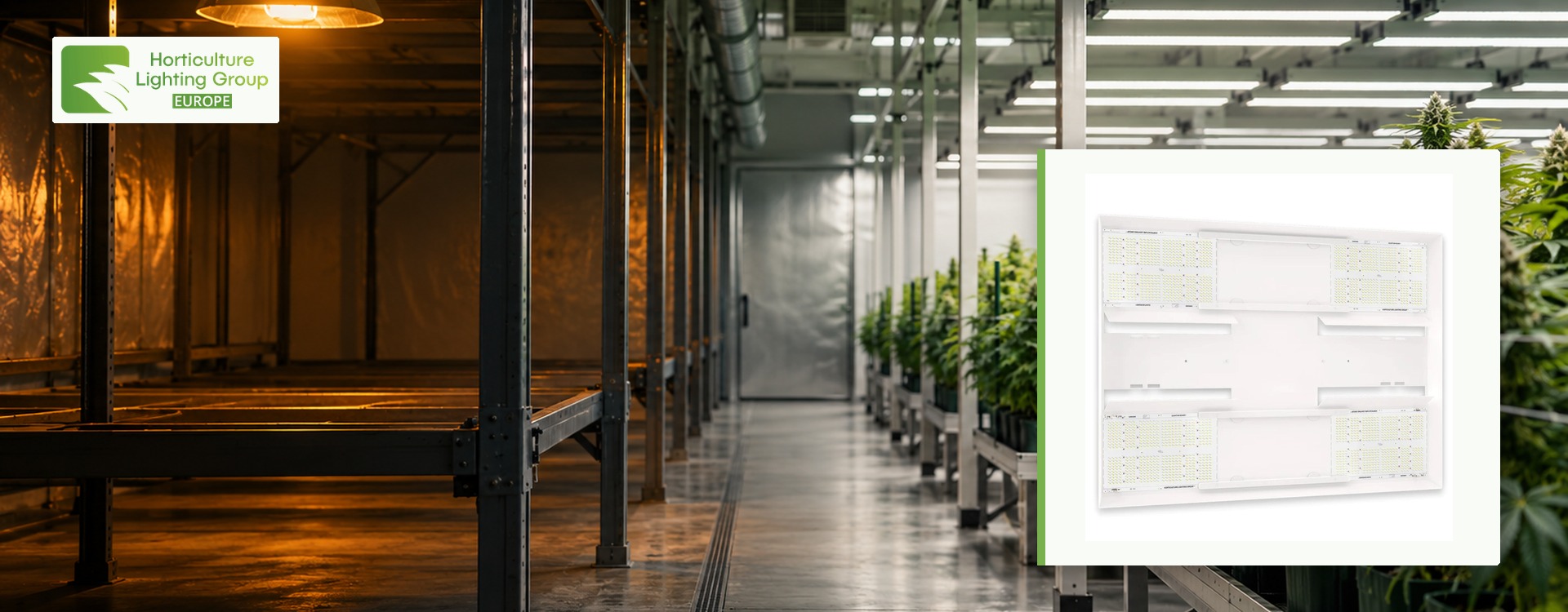
Switching from HPS to HLG LED: what changes in the grow room?
Replacing HPS with HLG LED lighting is more than choosing a lower wattage and reusing the old hanging point. Redraw the layout, compare light delivered to the canopy, review heat and calculate electricity use for the whole room. An HLG 350 Diablo or HLG 750 Diablo must be chosen for the crop area and light requirement, not solely for the old HPS nameplate wattage.
Start with the cultivated area
Measure tables, aisles and free height above the expected mature canopy. If possible, record a PPFD grid for the present HPS arrangement, noting sensor and spectrum limitations. Study maps for the exact HLG fixture at a feasible height and setting. PPF and photon efficacy describe emitted light and electrical efficiency; a PPFD map shows where photons arrive. A single central reading does not describe the edges.
Recheck temperature and humidity
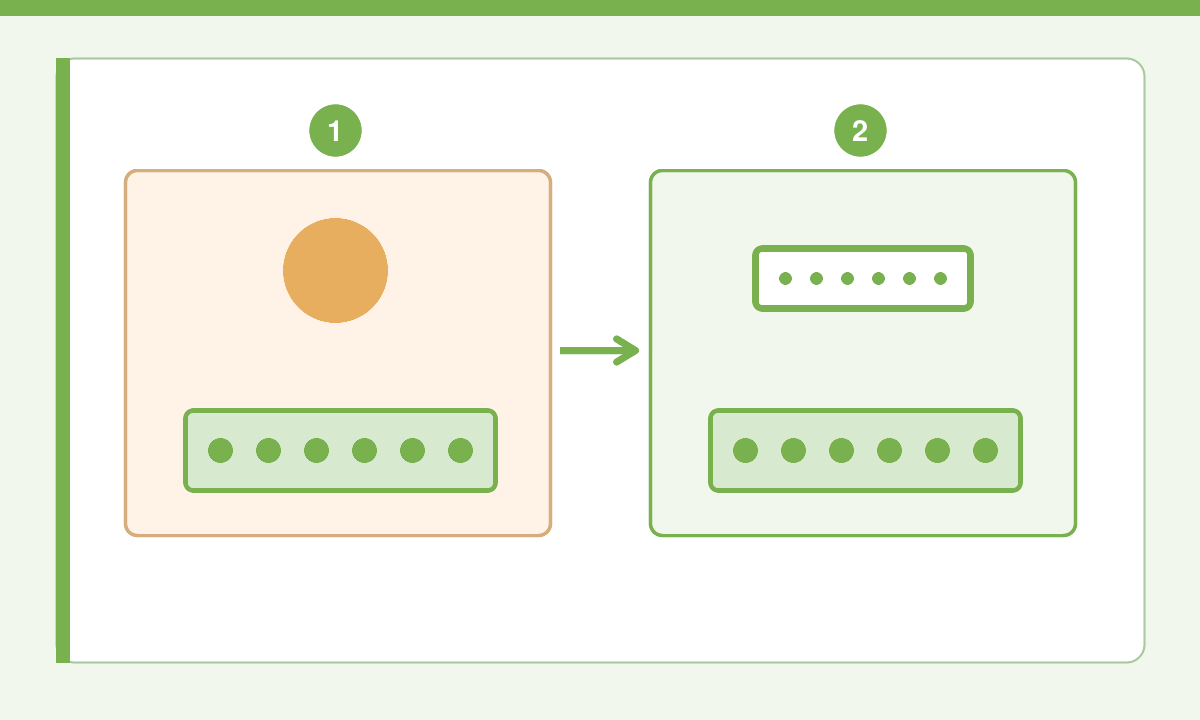
HPS and LED fixtures deliver radiant heat to the canopy differently, while electrical input still contributes to the room's eventual heat load. After conversion, monitor air and leaf temperature, humidity, extraction and dehumidification. Lighting input may fall, but cooling or heating demand also depends on intake air, insulation and all other equipment. Do not assume the former climate settings remain suitable.
Calculate electricity with stated assumptions
Use power measured at the socket at the actual operating setting. kWh = measured W × hours ÷ 1,000. For a purely hypothetical example, if an entire former HPS system drew 1,000 W and an LED system drew 700 W, each for 12 hours, lighting would use 12 and 8.4 kWh per day respectively. Over 30 identical days, those lighting totals would be 360 and 252 kWh. These are not HLG product measurements or savings promises.
To compare total room electricity, add measured ventilation, cooling, dehumidification, pumps and other loads before and after the change. Climate settings may alter those totals. A difference between light fixtures alone cannot establish a whole-room saving or a crop-yield change.
A practical replacement checklist
- Define species, stage, photoperiod and actual cultivated area.
- Choose one or several HLG formats that fit the geometry and mounting height.
- Check exact manuals, comparable PPFD maps and a way to measure after installation.
- Verify circuit capacity, hangers and European accessories.
- Set output gradually and monitor both light and room climate.
Swipe the table to see every check.
| Area | Existing baseline | LED check |
|---|---|---|
| Light | Crop area and PPFD grid | Comparable map and measurements |
| Power | Measured HPS watts and hours | Actual LED watts and setting |
| Climate | Temperature, humidity and HVAC | Monitor after conversion |
| Layout | Suspension and clearance | Dimensions, manual and access |
Further reading : understand PPF, PPFD and DLI · set fixture height and power.
Common questions
Does a 700 W LED always replace a 1,000 W HPS?
No. Species needs, PPF, spectrum and PPFD distribution over the same area matter more than nameplate watts.
Will the room always need less extraction?
Not necessarily. Humidity, ventilation, other loads and outside air all influence the final climate settings.
Related products
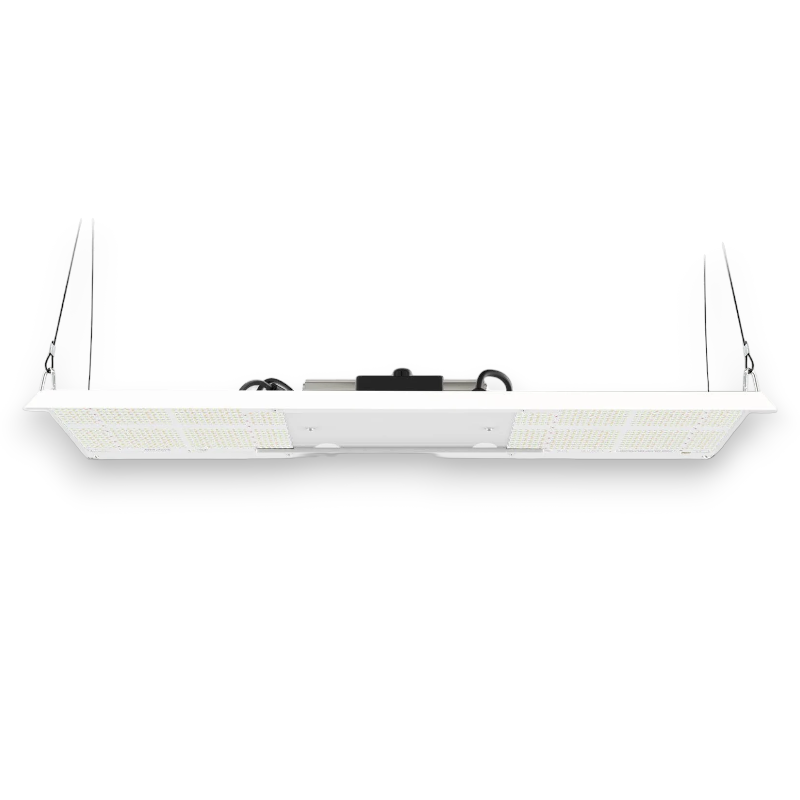
HLG 350 Diablo
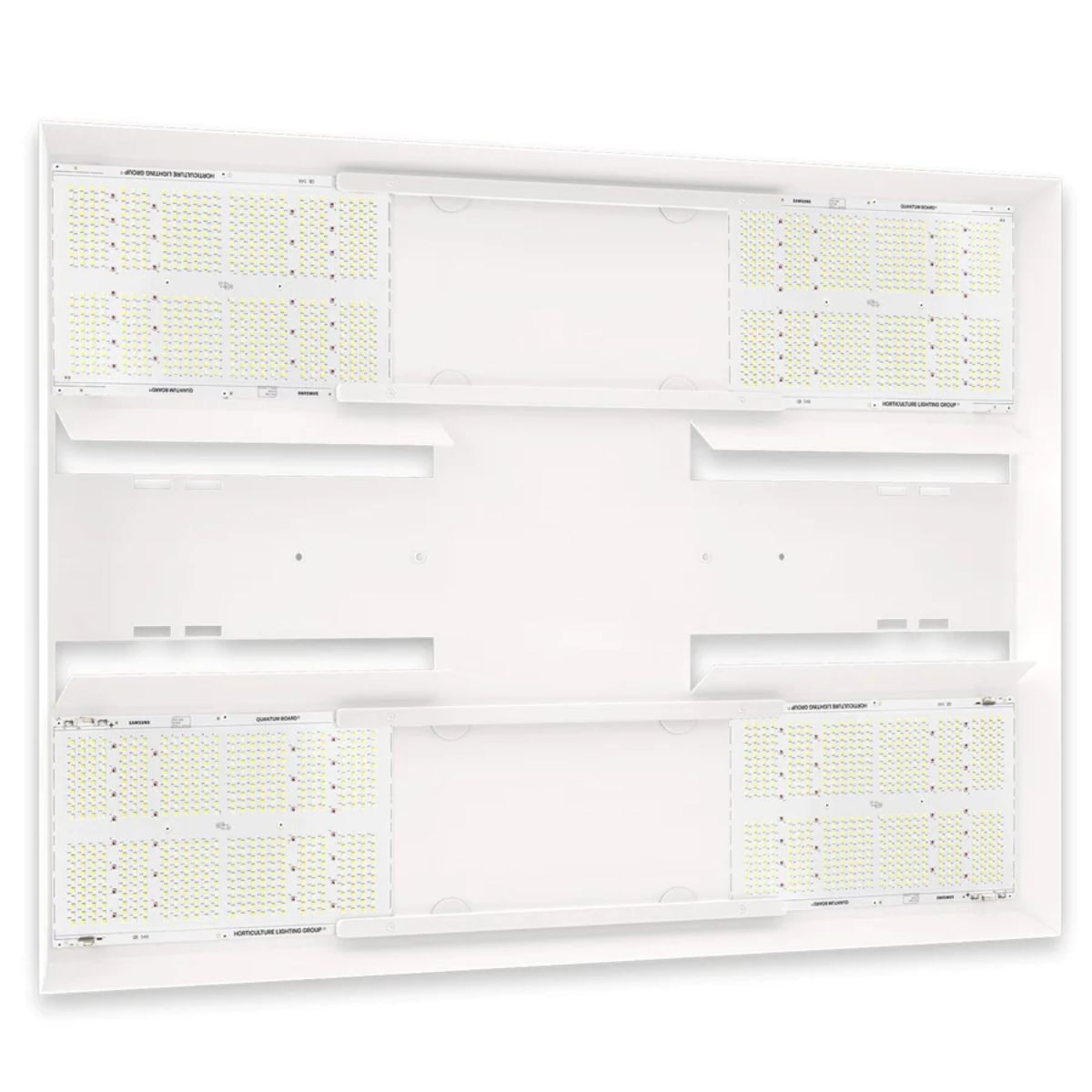
HLG 750 Diablo
More HLG articles
 Which HLG light should you choose for your grow tent or room?
 HLG 750 Diablo, Diablo X and Diablo ES: what is different?
 HLG 350 Diablo or 750 Diablo: how should you size your lighting?